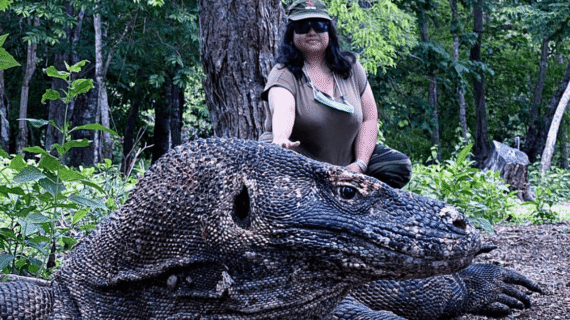
Labuan Bajo: Gateway to Komodo Paradise
Labuan Bajo has emerged as one of Indonesia’s most captivating tourist destinations, serving as the primary gateway to the world-renowned Komodo National Park. This charming fishing town, located on the western tip of Flores Island, has transformed from a quiet coastal settlement into a vibrant hub for adventure seekers and nature enthusiasts from around the globe. The strategic location of Labuan Bajo makes it the perfect launching point for exploring the extraordinary biodiversity of the Komodo archipelago, including its famous inhabitants – the Komodo dragons – and some of the world’s most spectacular marine ecosystems.
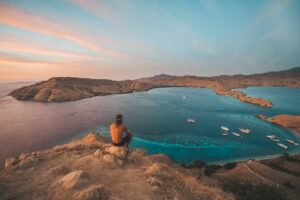
The allure of Labuan Bajo lies not only in its proximity to Komodo National Park but also in its stunning natural beauty, with dramatic hills meeting turquoise waters, creating a picturesque backdrop for any adventure. The town itself offers a blend of modern amenities and traditional charm, with numerous restaurants, cafes, and tour operators catering to international visitors while maintaining its authentic Indonesian character. As tourism has flourished, Labuan Bajo has developed into a well-equipped base for exploring the surrounding islands, with improved infrastructure including a new airport and expanded harbor facilities.
A panoramic view of Labuan Bajo town with boats in the harbor and hills in the background
The significance of Labuan Bajo as a tourist destination cannot be overstated. It has been designated as one of Indonesia’s “super-priority” tourist destinations, alongside Borobudur Temple and Mandalika, receiving special attention from the government for infrastructure development and tourism promotion. This status has led to significant improvements in accessibility, facilities, and services, making it easier than ever for travelers to experience the wonders of the Komodo archipelago while ensuring sustainable tourism practices that protect the fragile ecosystem.
Understanding Tour Package Types: Private vs. Sharing Trips
When planning a journey to Labuan Bajo and the Komodo Islands, one of the most crucial decisions travelers face is choosing between private and sharing trip packages. Each option offers distinct advantages and caters to different types of travelers, budgets, and preferences. Understanding these differences is essential for selecting the most suitable experience for your needs and ensuring your adventure aligns with your expectations.
Private Trip Packages: Exclusivity and Personalization
Private trip packages offer travelers the ultimate in flexibility, comfort, and personalized service. When you opt for a private tour, you typically charter an entire boat and crew for your exclusive use, allowing you complete control over your itinerary, schedule, and activities. This option is particularly popular among families, groups of friends, honeymooners, and photographers who prefer to set their own pace and avoid crowds.
The benefits of private trips extend beyond mere exclusivity. With a private charter, you can customize your itinerary based on your specific interests, whether that’s spending extra time at Pink Beach for snorkeling, dedicating more hours to wildlife photography on Komodo Island, or discovering hidden coves and secluded beaches that larger tour groups might miss. The personalized attention from your crew and guide ensures that your experience is tailored to maximize your enjoyment and comfort.
Private trips also offer superior comfort and safety features. The boats are typically better maintained, with more spacious cabin areas, modern amenities, and higher safety standards. Your private guide can provide more detailed explanations and insights about the destinations you visit, adapting the information to your interests and knowledge level. Additionally, private trips allow for more spontaneous decisions – you might choose to extend your stay at a particularly beautiful spot or modify your route based on weather conditions or wildlife sightings.
Sharing Trip Packages: Social Experience and Cost Efficiency
Sharing trip packages, also known as open trips or group tours, provide an excellent alternative for solo travelers, couples, or small groups looking to experience the Komodo Islands while meeting new people and managing their travel budget more effectively. In a sharing trip arrangement, you join other travelers on a pre-organized tour with a fixed itinerary and schedule, sharing the costs of boat charter, crew, and guide services.
The social aspect of sharing trips is often cited as one of their greatest advantages. These tours bring together travelers from diverse backgrounds and nationalities, creating opportunities for cultural exchange and friendship building. Many travelers report that the connections formed during sharing trips enhance their overall experience, creating shared memories and sometimes even leading to future travel plans together.
From a practical standpoint, sharing trips offer significant cost advantages without compromising on the core experiences of visiting Komodo National Park. The fixed itinerary ensures that all major attractions are covered, including Komodo Island, Rinca Island, Padar Island, Pink Beach, and various snorkeling spots. The structured nature of these trips also means less planning stress for travelers, as everything from meals to activities is typically included and organized by the tour operator.
Comparative Analysis: Choosing the Right Option
The decision between private and sharing trips ultimately depends on several factors including your budget, travel style, group size, and specific interests. Private trips offer unparalleled flexibility and personalization but come at a premium cost, while sharing trips provide excellent value and social opportunities but require adherence to a fixed schedule and larger group dynamics.
Consider your priorities when making this choice. If you value privacy, customization, and comfort above all else, a private trip is likely the better option. However, if you’re traveling solo, looking to meet other travelers, or working within a tighter budget, a sharing trip can provide an equally rewarding experience with the added benefit of new connections and shared adventures.
Popular Destinations in Komodo National Park
Komodo National Park encompasses a vast area of over 1,700 square kilometers, encompassing three major islands – Komodo, Rinca, and Padar – along with numerous smaller islands and marine areas. Each destination within the park offers unique experiences, from encounters with the legendary Komodo dragons to some of the world’s most spectacular underwater ecosystems. Understanding what each destination has to offer helps in planning the perfect itinerary, whether you’re on a private or sharing trip.
Komodo Island: The Realm of Dragons
Komodo Island represents the heart of the national park and is home to the largest population of Komodo dragons in the world. This iconic destination offers visitors the opportunity to observe these magnificent prehistoric creatures in their natural habitat, accompanied by experienced park rangers who ensure both visitor safety and minimal disturbance to the dragons. The island features several hiking trails of varying difficulty, from short walks to longer treks that take you through diverse landscapes including savanna, tropical forest, and beach areas.
The main ranger station on Komodo Island, located in Loh Liang, serves as the starting point for most dragon-watching excursions. Here, visitors receive comprehensive briefings about Komodo dragon behavior, safety protocols, and conservation efforts before embarking on guided walks. The rangers’ extensive knowledge of dragon behavior and territory patterns significantly increases the likelihood of memorable sightings while maintaining strict safety standards.
Beyond the dragons, Komodo Island offers additional attractions including the famous Pink Beach, known for its unique reddish sand created by crushed red coral mixed with white sand. The beach provides excellent snorkeling opportunities with vibrant coral reefs teeming with marine life, making it a perfect combination of land and sea experiences in one location.
Rinca Island: Alternative Dragon Experience
Rinca Island offers an alternative Komodo dragon viewing experience, often preferred by visitors seeking a more compact and accessible destination. The island boasts a higher concentration of dragons per square kilometer compared to Komodo Island, making sightings almost guaranteed during the dry season. The ranger station at Loh Buaya provides various trail options, from short 30-minute walks to longer 2-hour treks that explore different habitats and offer opportunities to spot other wildlife including wild boar, deer, and various bird species.
One advantage of Rinca Island is its relatively closer proximity to Labuan Bajo, making it ideal for shorter day trips or as the first stop on multi-day tours. The island’s terrain is generally less challenging than Komodo Island, with well-maintained trails and clearer visibility during wildlife encounters. The rangers on Rinca Island are equally knowledgeable and provide excellent insights into dragon behavior and the broader ecosystem of the national park.
Padar Island: Iconic Panoramic Views
Padar Island has gained international fame for its breathtaking panoramic views and distinctive landscape featuring three curved beaches with different colored sands. The island, which is not inhabited by Komodo dragons, offers arguably the most spectacular hiking experience in the national park. The climb to the viewpoint involves a steep but manageable ascent of approximately 30-45 minutes, rewarding visitors with unparalleled 360-degree views of the surrounding islands and turquoise waters.
The famous viewpoint on Padar Island has become an Instagram sensation, with its dramatic ridges and valleys creating a visually stunning backdrop that represents the quintessential image of Komodo National Park. The best times to visit for photography are early morning or late afternoon when the lighting conditions enhance the natural colors and create dramatic shadows across the landscape.
Despite its popularity, Padar Island maintains a sense of pristine wilderness, with limited infrastructure and no permanent settlements. The absence of Komodo dragons means visitors can explore more freely, though the steep terrain still requires caution and appropriate footwear. The combination of challenging hiking and spectacular views makes Padar Island a must-visit destination for adventure seekers and photography enthusiasts.
Pink Beach: Marine Paradise
Pink Beach, or Pantai Merah as it’s known locally, represents one of the world’s few beaches with naturally pink sand. The unique coloration comes from microscopic organisms called Foraminifera that produce red pigment, which mixes with white sand particles to create the distinctive pink hue. This phenomenon creates a magical setting that perfectly captures the exotic beauty of Komodo National Park.
Beyond its visual appeal, Pink Beach offers exceptional snorkeling and diving opportunities. The coral reefs just offshore are among the healthiest in the park, supporting an incredible diversity of marine life including tropical fish, sea turtles, and occasionally even manta rays. The clear waters and gentle currents make it suitable for snorkelers of all experience levels, while the surrounding coral gardens provide endless exploration opportunities for more experienced divers.
Manta Point: Underwater Giants Encounter
Manta Point, located in the waters near Komodo and Rinca islands, offers one of the most thrilling underwater experiences in the region. This cleaning station is regularly visited by giant manta rays, which come to be cleaned by smaller fish while allowing divers and snorkelers to observe them at close range. The experience of swimming alongside these gentle giants, with wingspans reaching up to 7 meters, creates an unforgettable memory for visitors.
The best time to visit Manta Point is during the high tide when currents bring plankton-rich waters that attract the mantas. However, conditions can vary, and sightings are never guaranteed, which is why most tour packages include multiple snorkeling stops to maximize the chances of marine life encounters. The experience requires basic swimming ability and comfort in open water, but most tour operators provide flotation devices and guidance for less experienced snorkelers.
Trip Duration Options and Experiences
Tour packages to Labuan Bajo and Komodo National Park typically offer various duration options to suit different schedules, budgets, and interests. Understanding what each duration entails helps in selecting the most appropriate package and ensuring you have enough time to experience the destinations that matter most to you without feeling rushed or missing important attractions.
2 Days 1 Night (2D1N) Packages: Essential Experience
The 2D1N package provides an excellent introduction to Komodo National Park, covering the most essential destinations within a compact timeframe. This option is ideal for travelers with limited time or those visiting Labuan Bajo as part of a broader Indonesian itinerary. Despite the shorter duration, 2D1N packages typically include visits to Komodo or Rinca Island for dragon encounters, Padar Island for the iconic viewpoint, and at least two snorkeling spots including Pink Beach or Manta Point.
The overnight component of this package adds significant value, allowing travelers to experience the magical ambiance of sleeping on a boat under the stars or staying at a basic accommodation on one of the islands. The evening usually includes a freshly prepared dinner featuring local seafood, followed by relaxation on deck or basic entertainment organized by the crew. The early morning departure on the second day maximizes time for activities before returning to Labuan Bajo in the afternoon.
While 2D1N packages provide a comprehensive overview of the main attractions, they do involve a packed itinerary with early morning starts and limited time at each location. This option works best for travelers who prioritize experiencing the highlights rather than spending extended time at each destination.
3 Days 2 Nights (3D2N) Packages: Balanced Exploration
The 3D2N package represents the most popular duration option, striking an optimal balance between comprehensive coverage and relaxed pacing. This additional day allows for more thorough exploration of each destination, with extra time for activities like extended snorkeling sessions, additional hiking trails, or visiting secondary attractions that might be skipped in shorter tours.
Three-day packages typically include all the major destinations plus additional stops such as Kanawa Island, Kelor Island, or Siaba Island for extra snorkeling opportunities. The extended duration also increases the chances of wildlife sightings, including manta rays at Manta Point, which can be seasonal and sometimes requires multiple attempts. The more relaxed schedule allows for flexibility in spending extra time at locations that particularly capture your interest.
The overnight experience is enhanced in 3D2N packages, with the opportunity to experience two different anchorages and perhaps witness spectacular sunsets or sunrises from different vantage points. The additional time also allows for more leisurely meals and social interaction with fellow travelers or crew members, creating a more immersive and less rushed experience overall.
4 Days 3 Nights (4D3N) Packages: Comprehensive Immersion
The 4D3N package offers the most comprehensive exploration of Komodo National Park, suitable for travelers who want to thoroughly experience everything the region has to offer or those with specific interests such as photography, diving, or wildlife observation. This extended duration allows for visits to more remote islands, additional snorkeling and diving spots, and the opportunity to experience different aspects of the national park’s ecosystem.
Four-day packages often include special experiences such as night snorkeling to witness bioluminescent plankton, visits to local villages for cultural interaction, or extended hiking trails on Komodo and Rinca islands. The additional time also allows for weather contingencies, ensuring that even if conditions prevent certain activities on scheduled days, there are opportunities to reschedule them later in the tour.
The extended duration of 4D3N packages provides a deeper connection with the natural environment and allows travelers to observe changes in the landscape and wildlife behavior at different times of day. The more relaxed pace also reduces travel fatigue and allows for more spontaneous discoveries and experiences that might be impossible in shorter tours.
Onboard Experience and Facilities
The quality of your onboard experience significantly impacts the overall enjoyment of your Labuan Bajo tour, regardless of whether you choose a private or sharing trip. Understanding what to expect in terms of facilities, services, and daily routines helps in preparing adequately and selecting appropriate tour packages that match your comfort preferences and expectations.
Accommodation Standards
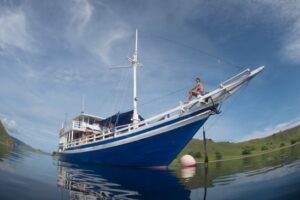
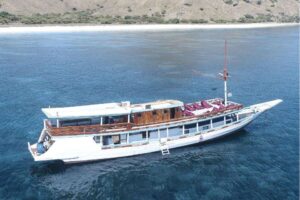
Tour boats in Labuan Bajo range from basic phinisi vessels to modern yachts with luxury amenities, though most standard packages utilize traditional Indonesian wooden boats equipped with essential facilities. On private trips, you typically have access to private cabins with basic bedding, storage space, and sometimes air conditioning or fans depending on the boat class. Sharing trips usually offer shared sleeping arrangements, either in communal areas or in shared cabins with multiple travelers.
The quality of sleeping arrangements varies significantly between budget and premium options. While basic packages provide simple mattresses or sleeping pads in communal areas, mid-range to premium boats offer proper bunk beds or cabins with privacy curtains. The movement of the boat can affect sleep quality, particularly for those prone to seasickness, so choosing a boat with stabilizers or cabins in the middle of the vessel can make a difference.
Dining Experience
Meals are typically included in tour packages, with most boats offering freshly prepared Indonesian cuisine featuring local seafood, rice, vegetables, and tropical fruits. The quality and variety of food often differ between private and sharing trips, with private tours usually offering more customized menus and the flexibility to accommodate dietary restrictions or preferences. Sharing trips typically provide set meals with limited options for customization.
The dining experience itself can be a highlight of the tour, with meals often served on deck while anchored in beautiful locations or during sunset. Most boats provide basic refreshments including water, coffee, and tea, with additional beverages available for purchase or included in premium packages. Special dietary requirements should be communicated in advance, particularly for private trips where menu customization is possible.
Sanitary Facilities
Bathroom facilities on tour boats range from basic shared toilets to private en-suite bathrooms, depending on the boat class and whether you’re on a private or sharing trip. Most standard boats provide basic Western-style toilets with manual flushing systems and simple shower facilities using seawater. Private trips typically offer better facilities with more space and privacy, while sharing trips require more flexible expectations regarding hygiene and privacy.
Fresh water for showering is often limited on longer trips, with most boats encouraging conservation and providing only basic washing facilities. Hand washing stations and basic toiletries are usually provided, but travelers should bring their own personal hygiene products, towels, and any specialized items they require. The quality of sanitary facilities can significantly impact comfort during multi-day trips, so this factor should be considered when selecting tour packages.
Recreational Equipment and Activities
Most tour boats provide basic snorkeling equipment including masks, snorkels, and fins, though the quality and maintenance of this equipment varies between operators. Premium private trips often offer high-quality or new equipment, while sharing trips may provide used gear that requires inspection before use. Some boats also offer additional equipment such as life vests, kayaks, or stand-up paddleboards, particularly on private trips.
The availability of water activities depends on weather conditions and the specific itinerary, but most packages include multiple snorkeling stops per day. Some private trips may offer additional activities such as fishing, beach volleyball, or evening bonfires on deserted beaches. The quality of guidance and instruction for water activities also varies, with private trips typically providing more personalized attention and safety briefings.
Essential Safety Tips for Labuan Bajo Travel
Ensuring your safety while traveling to Labuan Bajo and Komodo National Park requires careful preparation and awareness of potential risks and challenges. The remote nature of many destinations, combined with wild animal encounters and marine activities, necessitates specific precautions to ensure a safe and enjoyable experience. These safety tips cover various aspects of your journey, from pre-trip preparation to on-site behavior and emergency preparedness.
Pre-Trip Health and Medical Preparations
Before traveling to Labuan Bajo, ensure you have comprehensive travel insurance that covers medical emergencies, evacuation, and activities such as snorkeling or hiking. The remote location of Komodo National Park means that medical facilities are limited, and serious emergencies may require evacuation to larger cities like Bali or Jakarta. Pack a comprehensive medical kit including personal medications, basic first aid supplies, motion sickness medication, and treatments for common tropical ailments.
Consult your healthcare provider about recommended vaccinations and preventive medications for Indonesia, particularly hepatitis A, typhoid, and malaria prophylaxis if you plan to spend time on Flores Island outside of tourist areas. Consider bringing antibiotics for respiratory or intestinal infections, as these can be common in tropical environments. If you have any pre-existing medical conditions, carry a letter from your doctor explaining your condition and required medications.
Weather and Ocean Condition Awareness
Labuan Bajo has a tropical climate with distinct wet and dry seasons that significantly impact travel conditions and safety. The dry season, typically from April to December, offers the best conditions for traveling with calmer seas, better visibility for snorkeling and diving, and more predictable weather patterns. The wet season, from January to March, brings rougher seas, stronger currents, and reduced visibility, making some activities more challenging and potentially dangerous.
Always check weather forecasts and ocean conditions before departing on tours, particularly for snorkeling and diving activities. Reputable tour operators monitor conditions closely and will cancel or modify itineraries if conditions are unsafe. However, travelers should also be prepared for sudden weather changes and have contingency plans. The sun can be extremely intense in this tropical region, so comprehensive sun protection including sunscreen, hats, and protective clothing is essential.
Komodo Dragon Safety Protocols
Encounters with Komodo dragons require strict adherence to safety guidelines provided by park rangers. These are wild, potentially dangerous animals that must be treated with respect and caution. Always stay with your ranger group and follow their instructions without deviation. Maintain a safe distance from dragons (minimum 3-5 meters) and never attempt to touch or feed them, even if they appear docile.
Women who are menstruating should inform their ranger discreetly, as Komodo dragons have an excellent sense of smell and may be attracted to menstrual blood. This is not a common occurrence but is a known risk that rangers take seriously. Carry a walking stick if possible, as this can be used to create distance if a dragon approaches unexpectedly. Be particularly cautious around dragon nests and feeding areas, where the animals may be more aggressive or territorial.
Marine Activity Safety
Snorkeling and diving in Komodo National Park involve inherent risks including strong currents, marine life encounters, and equipment issues. Always wear a life jacket or flotation device, especially if you’re not a strong swimmer or conditions are challenging. Currents can be unpredictable and change suddenly, so stay close to your group and guide, and return to the boat if you feel tired or uncomfortable.
Be aware of potential marine hazards including jellyfish, sea urchins, and sharp coral. Wear protective footwear when entering or exiting the water, and consider wearing a rash guard for additional protection. If you’re stung by jellyfish, seek immediate assistance from your guide who should have basic treatment supplies. Never touch or disturb marine life, as some species can be dangerous or venomous.
Trekking and Hiking Safety
The hiking trails on Komodo and Rinca islands can be challenging with steep sections, loose stones, and high temperatures. Wear proper hiking shoes with good grip and support, and bring plenty of water to stay hydrated. Start early in the morning when temperatures are cooler, and take regular breaks to avoid overheating and exhaustion.
Be aware of your physical limitations and choose appropriate trail difficulty levels. The longer trails on Komodo Island can take 2-3 hours and involve significant elevation gain, so ensure you’re adequately prepared. Carry basic hiking safety equipment including a whistle, flashlight, and communication device if available. Inform someone of your hiking plans and expected return time, even when traveling with a group.
Sustainable Tourism and Conservation Awareness
As a visitor to Komodo National Park, a UNESCO World Heritage site, you have a responsibility to minimize your environmental impact and support conservation efforts. Understanding the ecological significance of the region and practicing responsible tourism ensures that future generations can continue to enjoy this unique destination while protecting its fragile ecosystems and endemic species.
Komodo Dragon Conservation
Komodo dragons are vulnerable species with limited distribution, existing only in Komodo National Park and a few surrounding areas. The population faces threats from habitat loss, human conflict, and climate change. As visitors, we must support conservation efforts by following all park regulations, maintaining appropriate distance from dragons, and never feeding or disturbing them. The entrance fees you pay directly support conservation programs and park operations.
Support research and monitoring programs by reporting any unusual dragon behavior or sightings to park rangers. Avoid purchasing products made from dragon parts or supporting activities that exploit these animals. Consider donating to conservation organizations working to protect Komodo dragons and their habitat, either directly or through reputable tour operators who support conservation initiatives.
Marine Ecosystem Protection
The marine ecosystems of Komodo National Park are among the most diverse in the world, supporting over 1,000 species of fish, 260 species of reef-building coral, and numerous marine mammals and reptiles. These fragile ecosystems face threats from climate change, pollution, overfishing, and irresponsible tourism practices. As visitors, we must minimize our impact through responsible behavior.
Practice proper snorkeling and diving etiquette by maintaining buoyancy control to avoid contact with coral reefs, never standing on or touching coral, and securing all equipment to prevent damage. Use reef-safe sunscreen to protect marine life from harmful chemicals. Never remove shells, coral, or other marine life from the ocean, and participate in beach cleanup activities when organized by your tour operator.
Waste Management and Pollution Prevention
Proper waste management is crucial in this remote environment where disposal facilities are limited. Minimize single-use plastics by bringing reusable water bottles, bags, and containers. Pack out all non-biodegradable waste, including packaging, batteries, and personal hygiene products. Use biodegradable soaps and detergents, and dispose of gray water according to your crew’s instructions.
Support tour operators who implement comprehensive waste management systems including proper sorting, recycling, and responsible disposal. Be mindful of your carbon footprint and choose operators who use fuel-efficient boats and implement energy-saving practices. Consider participating in carbon offset programs to compensate for the environmental impact of your travel.
Cultural Respect and Community Engagement
The local communities around Labuan Bajo have rich cultural traditions and have historically depended on the marine resources of Komodo National Park. Respect local customs and traditions, particularly when visiting villages or interacting with community members. Support local businesses and purchase authentic handicrafts directly from artisans to ensure economic benefits reach the community.
Engage with local guides and crew members to learn about their culture and traditional knowledge of the area. Ask permission before photographing people or their property, and be mindful of cultural sensitivities regarding appropriate dress and behavior. Support community-based tourism initiatives that provide direct benefits to local residents and promote cultural preservation.
Practical Travel Planning Tips
Effective travel planning ensures a smooth and enjoyable experience in Labuan Bajo, from initial booking to the completion of your tour. These practical tips cover various aspects of travel preparation and execution, helping you avoid common pitfalls and make the most of your time in this extraordinary destination.
Booking and Selecting Reputable Tour Operators
Choosing the right tour operator is crucial for your safety and enjoyment. Research operators thoroughly by reading recent reviews, checking certifications, and verifying their safety record and equipment maintenance standards. Reputable operators should be licensed by the local tourism authority and have experienced guides and crew members with proper training in safety procedures and first aid.
Compare detailed itineraries rather than just prices when selecting tour packages. Ensure the itinerary includes adequate time at each destination and covers the attractions most important to you. Ask about boat conditions, safety equipment, crew experience, and what’s included in the package to avoid unexpected additional costs. Book in advance during peak season (June-September) as quality operators often fill up quickly.
Packing Essentials and Gear Preparation
Pack light but comprehensively, focusing on multi-purpose items and quick-drying clothing suitable for tropical conditions. Essential items include reef-safe sunscreen, insect repellent, a wide-brimmed hat, sunglasses, and a waterproof dry bag for electronics and valuables. Bring multiple sets of swimwear, quick-dry towels, and appropriate footwear for both land and water activities.
Consider bringing your own snorkeling equipment if you’re particular about fit and hygiene, particularly masks and snorkels. A waterproof camera or underwater case for your phone allows you to document the incredible marine life and landscapes. Pack basic medications, motion sickness remedies, and any personal medical supplies, as availability in Labuan Bajo may be limited for specific items.
Transportation and Logistics
Labuan Bajo is accessible by air through Komodo Airport (LBJ), with regular flights from Bali, Jakarta, and other major Indonesian cities. Book flights in advance, particularly during peak season, as schedules can fill up quickly. Upon arrival, arrange airport transfers through your tour operator or use reputable taxi services, as unofficial operators may overcharge or provide unreliable service.
For ground transportation in Labuan Bajo, use registered taxi services or arrange transfers through your accommodation. Many hotels and tour operators provide airport pickup services, which can be more convenient and reliable. If you plan to explore Flores Island independently, consider renting a scooter or hiring a private car with driver, but be aware that road conditions can be challenging in some areas.
Communication and Connectivity
Internet and mobile phone coverage can be unreliable in remote areas of Komodo National Park, though Labuan Bajo town generally has decent connectivity. Purchase a local SIM card with data from major providers like Telkomsel or XL Axiom for better coverage. Inform family and friends about potential communication gaps during your tour, particularly during overnight boat trips.
Download offline maps, translation apps, and entertainment content before departing, as connectivity may be limited during tours. Carry a portable power bank to keep devices charged, as electrical outlets on boats may be limited or unavailable. Consider bringing a satellite communication device for emergency contact if you’re traveling to extremely remote areas or have specific safety concerns.
Conclusion: Creating Your Perfect Labuan Bajo Experience
Labuan Bajo and Komodo National Park offer an extraordinary blend of wildlife encounters, stunning landscapes, and world-class marine experiences that create unforgettable memories for travelers. Whether you choose the exclusivity of a private trip or the social dynamics of a sharing tour, careful planning and preparation ensure that your adventure meets and exceeds expectations while respecting the fragile ecosystem and supporting local communities.
The choice between private and sharing trips ultimately reflects your personal travel style, budget considerations, and specific interests. Private trips offer unparalleled flexibility and personalization, perfect for those seeking customized experiences and superior comfort. Sharing trips provide excellent value and social opportunities, ideal for solo travelers or those looking to connect with fellow adventurers while experiencing the highlights of the region.
Regardless of your choice, prioritizing safety, sustainability, and cultural respect ensures that your visit contributes positively to the preservation of this unique destination and supports the local communities who call it home. By following the guidelines and tips outlined in this comprehensive guide, you’re well-prepared to embark on an extraordinary adventure that showcases the very best of Indonesia’s natural wonders while creating lasting memories and meaningful connections.
The magic of Labuan Bajo lies not just in its famous dragons or pink beaches, but in the sense of discovery and wonder that comes from exploring one of the world’s most remarkable natural environments. As you plan your journey, embrace both adventure and responsibility, allowing yourself to be captivated by the raw beauty of Komodo National Park while contributing to its preservation for future generations of travelers to enjoy.